
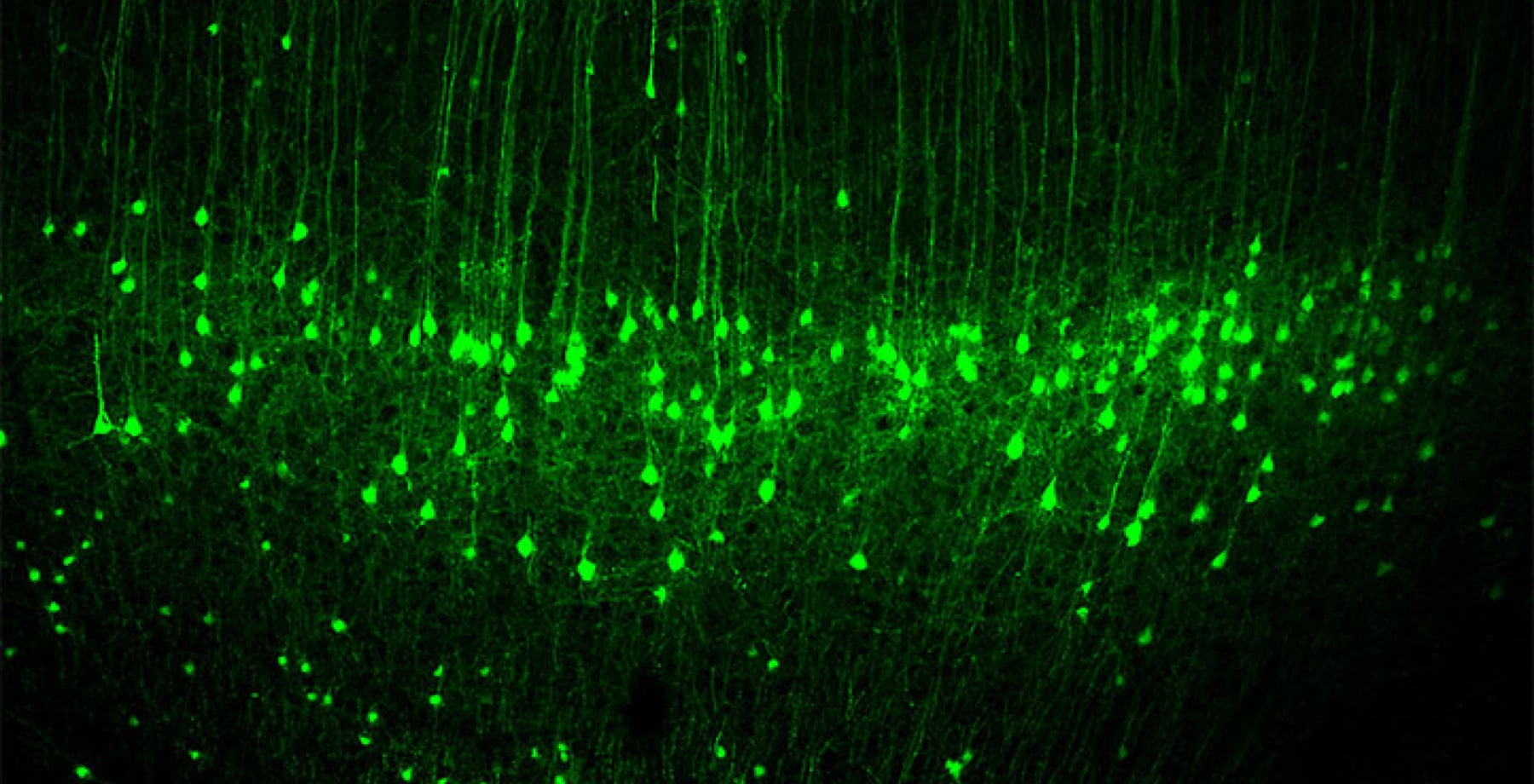
We reveal that projections from the rat premotor cortex (RFA) to the primary motor cortex (CFA) predominantly encode pre-movement activity and play a critical role in shaping motor preparation. As movement begins, the influence of RFA on CFA dynamically shifts toward excitatory drive, providing a circuit-level mechanism that links neural state transitions from preparation to execution.
Our Research
Our laboratory investigates the interface between cognitive flexibility and motor control in rodents, with a particular focus on how distributed brain circuits construct internal models of their environment and use these models to solve complex tasks. We are further interested in how such model-based capabilities generalize across behavioral contexts, including transfer to novel tasks and home-cage behavior. To address these questions, we employ a suite of sophisticated behavioral paradigms encompassing rule and context learning, decision-making, sequence detection, reversal learning, sensory detection, movement preparation, and multi-target reaching.
These behavioral assays are paired with high-resolution neural measurements, including electrophysiology and both one-photon and two-photon imaging. To establish causal links between specific neural populations, behavioral performance, and network dynamics, we deploy optogenetic and chemogenetic techniques, including pathway- and cell type–specific stimulation, holographic stimulation, and DREADD-based manipulations. Our in vivo work is complemented by ex vivo approaches that enable detailed analyses of cellular mechanisms and circuit interactions. As part of the interdisciplinary BrainLinks-BrainTools // IMBIT center, we also contribute to the development of next-generation neurotechnologies and advanced analytical methodologies, including AI-driven tools, in close collaboration with our colleagues across the center.
Current News

New Article Published in Neuron
Inhibitory interneuron diversity is a central feature of cortical circuits. The IN-CODE consortium seeks to combine large-scale recordings of interneuron types with machine-learning tools to identify the role of their physiological features, connectivity motifs, and cooperativity in cognitive functions.

February 2026: Wieso Weshalb Warum
Internal world models enable humans and animals to structure experience and predict future outcomes. Researchers from BrainLinks-BrainTools outline how these mechanisms shape intelligent behavior and influence AI development. Their article highlights the importance of interdisciplinary research for understanding knowledge and intelligence.